PRONOUNS: SHE/THEY

Howdy! 👋🏾

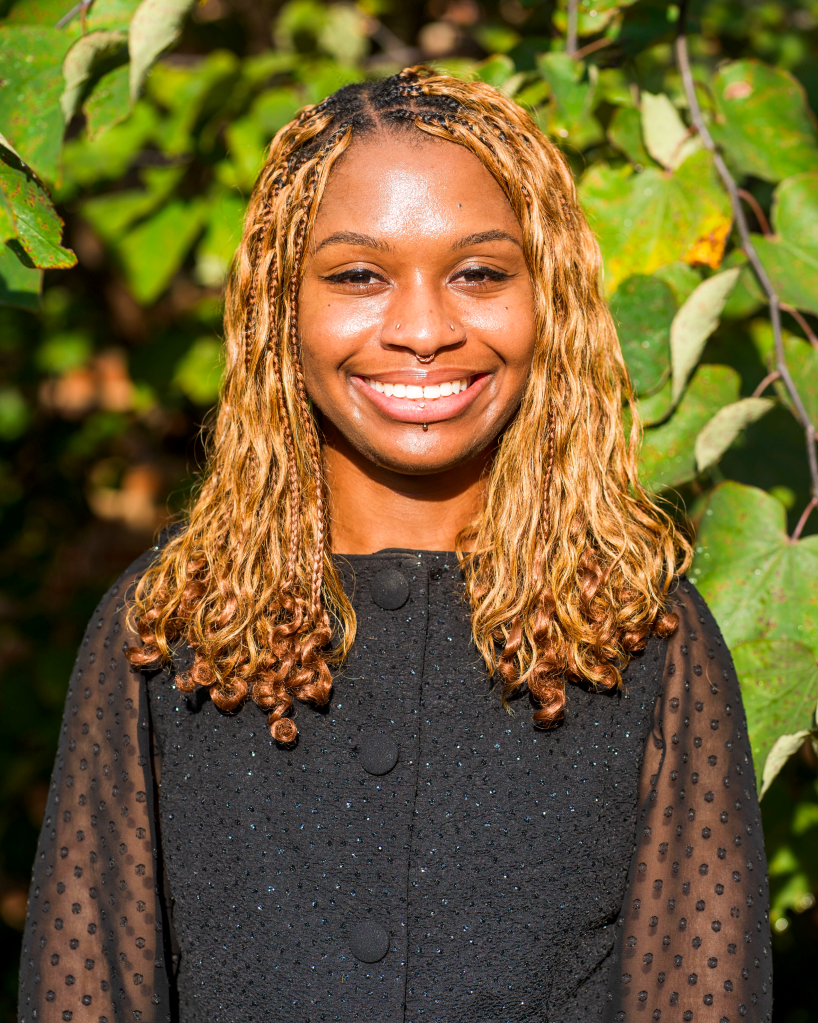
My name is Modeline Celestin [moad-LEEN say-LES-TAN].

I grew up in Belle Glade, Florida, USA — a rural town where migrant farmworkers constitute most of the labor force. In fact, our slogan is “Her soil is her fortune.” My deeply rooted appreciation for the complexities of nature fuels my curiosity and drives my systems thinking approach to address multi-faceted challenges.

I am currently a Ph.D. Candidate in the Ecology and Evolutionary Biology Program at Rice University, as advised by Dr. Matthew A. McCary. My general research interests include: disease ecology, socio-ecological systems, and ecological balance. I am a Ford Foundation Predoctoral Fellowship Scholar.

I am currently seeking ecological research and/or teaching opportunities for August 2027.

I enjoy building bioactive terrariums, analyzing media through an intersectional lens, engaging in mutual aid and advocacy work, nurturing mind-body wellness, exploring different mediums of creative expression, and bonding with my critters.

For inquires and collaborations, you can contact me via email at: mcelestin[at]rice[dot]edu.

Research Projects

This meta-analysis examines the socioecological factors that affect overall mosquito burden across urban environments in the USA and how it varies with socioeconomic status (SES). Our findings suggest urban neighborhoods of lower SES are exposed to 63% greater mosquito burden compared with higher-income neighborhoods, emphasizing the need for environmental justice, equity, and inclusion in vector management efforts.

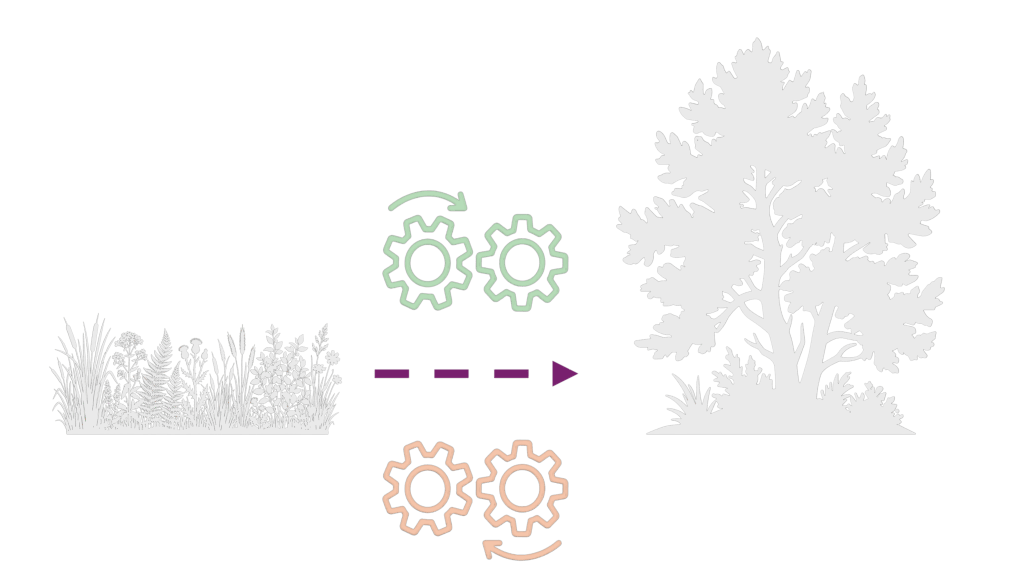
My research investigates how woody plant encroachment in Central Texas grassland ecosystems affect above- and belowground biodiversity and interactions. Using Ashe juniper (Juniperus ashei) as a model organism, I conduct an observational field study exploring the consequences of this vegetation change on mammal and soil arthropod communities. I seek to offer recommendations on better stewardship of encroaching shrubs, a persistent concern for ranchers in Texas.

Dissertation Work in Progress

Hard ticks are soil-dwelling arthropods that transmit various harmful pathogens to humans and wildlife. In this manipulative lab experiment, I test different environmental conditions on the survivorship of lone star ticks (Amblyomma americanum), providing greater insight into their biology and how global climate crisis can affect tick-borne disease risks.

Dissertation Work in Progress